ABOUT
Several years ago, I began to sense the weight of accumulation - possessions, distractions, obligations, noise. What we own holds energy, and when we clear space, we create room for meaning.
This journey was not sudden, it was a persistent hum, an undercurrent that began in childhood (way before minimalism was in vogue). I was a highly anxious child, and when the swell of anxiety rose, I would retreat to my room and begin to clean. Organising my space became a form of alchemy: as my room emptied, so did my mind. Even back then, I understood that spaciousness was not just external but a reflection of the internal state, (a peaceful refuge shaped by absence).
In my late teens and early twenties, the fashion industry swept me up in its current. Working for several different brands, the constant turnover of trends left me with an abundance of clothing and a curious sense of emptiness. My wardrobe overflowed, yet I felt suffocated rather than satisfied.
Travel illuminated the burden of excess more sharply. Lugging heavy suitcases through foreign streets & remote dirt roads, I began to understand how “stuff” weighs both on the body and the spirit. At 22 years old, I consciously transitioned to carry-on luggage only - even for journeys exceeding six months. The lightness of travelling with less became a liberation, a reminder that freedom often lies in simplicity.
Every time I returned home, the contrast between the ease of travel and the clutter of my living space became starker. Inspired by the clarity of minimalism, I began to pare back, keeping only what I truly loved and used.
This curation was about refinement, not deprivation.
My home became lighter, and so did my mind.
Minimalism, I discovered, is not about less for the sake of less: it is about more of what truly matters.
Instead of mindlessly accumulating, I began to question:
- Does this item add value to my life?
- Does this item spark joy?
- Does it align with my core values?
- Can I see this aging gracefully, becoming part of my story rather than clutter in my space?
The result was not emptiness, rather, intentionality. Less, but better.
This philosophy also extends to my personal style. A Rick Owens jacket: its raw edges and sculptural form evokes a feeling of Wabi-sabi: imperfect, asymmetrical, hand-made, unapologetically bold.
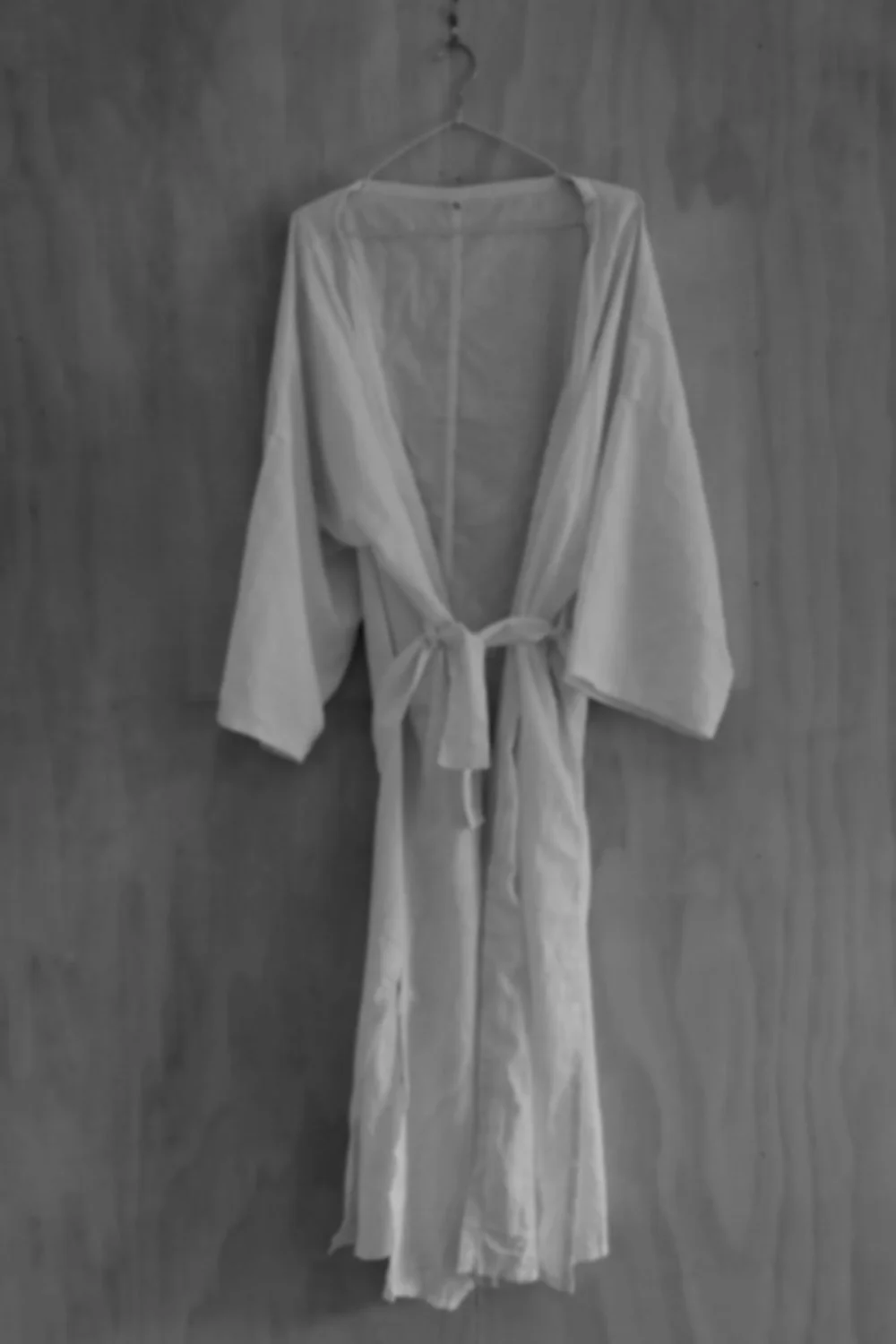
A Wabi-sabi inspired wardrobe is not about chasing trends; it is about choosing pieces that feel like an extension of oneself - purchasing garments that soften with time, that carry the imprint of wear. Linen that becomes gentler with each wash. Leather that darkens and acquires a gentle patina. Handcrafted jewellery with irregular lines that feel organic rather than forced.
Wabi-sabi is a rebellion against the symmetry of mass production and the pursuit of flawlessness.
Dressing, like living, becomes an act of curation rather than consumption. a recognition that true beauty is not in perfection. True beauty is in the tender imperfection of things made and worn with care.
This way of being invites a deeper sense of elegance. an elegance shaped by presence rather than excess.